
Selong Belanak

Selong Belanak vs Serangan vs Mawi: Which Beach Is Right for You?

A practical comparison of South Lombok’s gentle bay, wet-season right-hander and dry-season reef break.

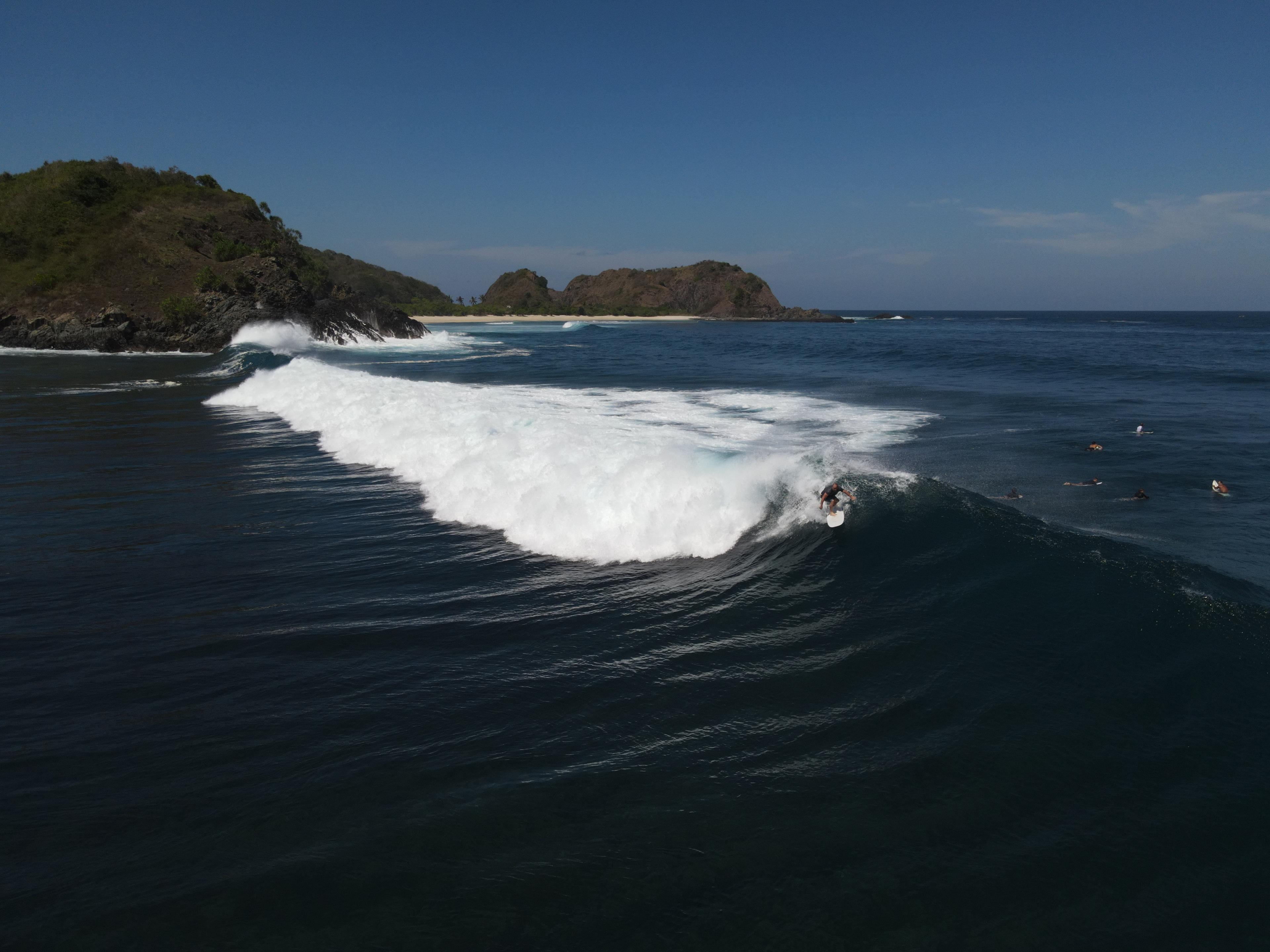
Surfer riding a powerful wave at Mawi on South Lombok’s coast
01 / 06

Three beaches, three different days

The answer depends on swimming, surf level and season

If you’re torn between Selong Belanak, Serangan and Mawi, start with what you actually want to do. They sit along the same stretch of South Lombok coast, but they don’t offer the same kind of day.

Selong Belanak is the easy all-rounder: broad sand, a sandy-bottom beach break, room to relax and a good view of sunset. Serangan is quieter and built around a right-hand reef wave. Mawi is the more powerful dry-season surf option.

A mixed group will usually be happiest at Selong Belanak. Confident surfers may choose between the other two after checking the day’s swell, tide and wind.

Conditions can vary by swell, wind, tide and local weather on any date. Seasonal descriptions explain the usual pattern, not a guarantee. Ask a reputable local surf guide for a same-day assessment before paddling out at Serangan or Mawi.

02 / 06

Selong Belanak Beach

Best for scenery, swimming, beginner surf and sunset

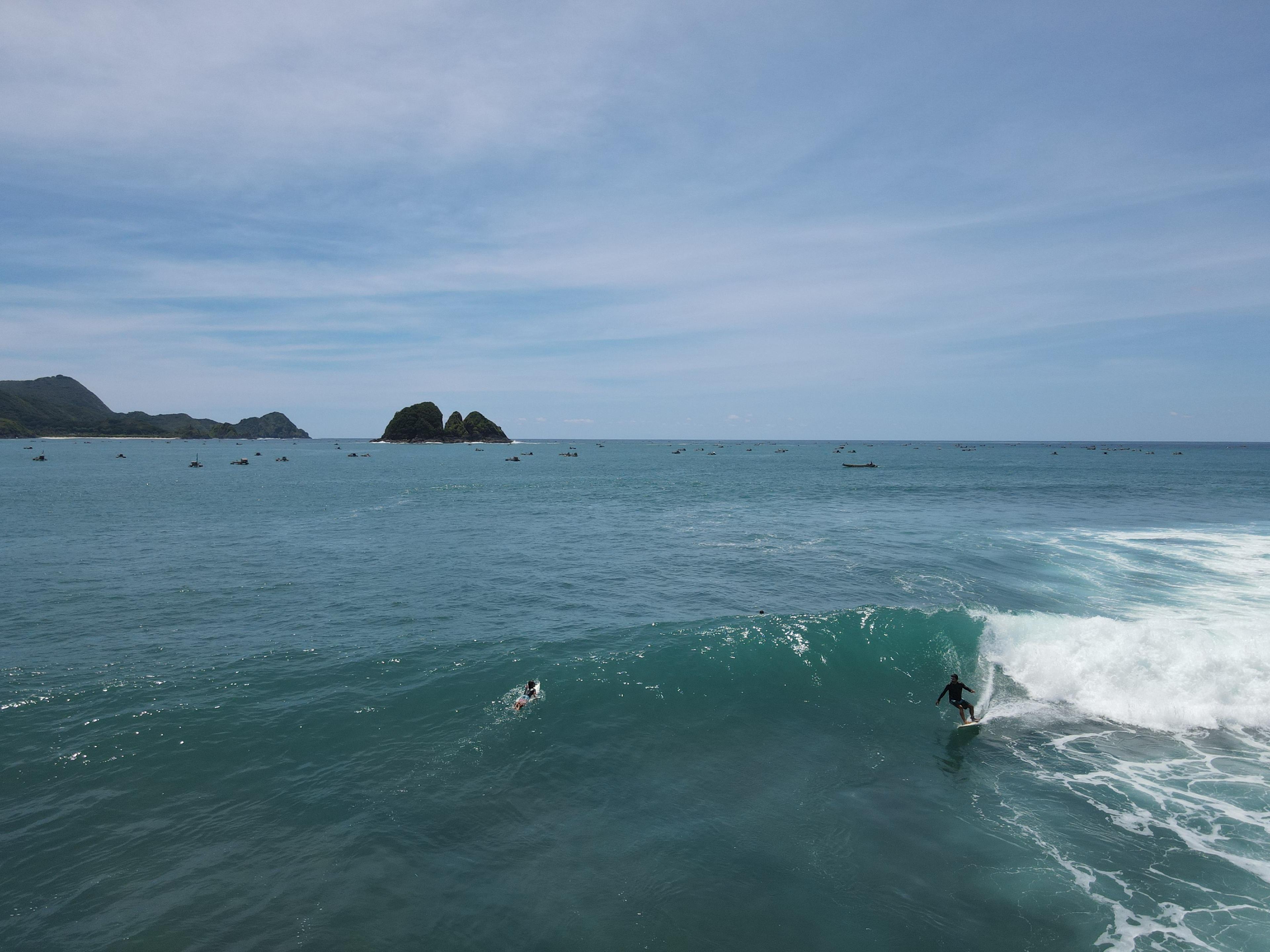
Selong Belanak Beach and its broad crescent bay on the south coast of Lombok

Selong Belanak is the visual signature of this coast: a long crescent of pale sand backed by green hills, with turquoise water filling a broad west-facing bay. For travellers searching for the “best beach in Lombok,” it has a strong claim as the best all-round choice—not because it is the wildest or most challenging, but because the landscape and gentle access work for so many people at once.

The sandy bottom and rolling shorebreak make Selong Belanak the safest of these three choices for learning to surf. Schools and board rentals operate from the beach, so beginners can arrange a lesson without transporting equipment. The exact wave size changes with swell and tide, and even gentle beaches deserve respect, but wipeouts here don't normally involve the shallow coral found at the reef breaks.

Non-surfers aren't an afterthought. The beach works for swimming when conditions are calm, long walks, children playing near shore, photography and unhurried afternoons under shade. Food and drinks are available along or near the bay, while the village offers a much larger dining selection a short distance inland. Late afternoon is especially rewarding as the sun drops toward the water and the surrounding hills soften in the evening light.

Go for: first surf lessons, mixed groups, families, swimming, long beach walks, views and sunset. Main caution: conditions still change, so watch the shorebreak and follow local advice, particularly with children.

03 / 06

Serangan Beach

Best for a quiet coast and wet-season reef surf

Clean right-hand reef wave breaking at Serangan Beach near Selong Belanak

Serangan lies beyond the western headland from Selong Belanak and feels notably less developed. The appeal is space: a quieter beach, coastal hills, a handful of places to stay or eat and a surf break that can become the better local option when seasonal winds are less favourable elsewhere.

The principal wave is a right-hander peeling over reef. On a suitable swell it can offer a long, workable wall with room for turns and occasional faster sections. It generally suits confident intermediate and advanced surfers who can position themselves over reef, manage currents and judge an unfamiliar line-up. Beginners should take lessons at Selong Belanak instead.

Serangan often performs best in the wet and shoulder season, broadly October to April, when its orientation can produce cleaner offshore or protected conditions. That does not mean every wet-season day is good or that the wave never works outside those months. Wind can shift within a day, swell direction matters and tide affects the reef. A local guide is the most reliable source before a session.

For non-surfers, Serangan offers an uncrowded coastal outing and a quieter place to stop for lunch or sunset. It has fewer facilities than Selong Belanak, and reef, currents and the absence of lifeguard-style infrastructure call for caution in the water.

Go for: confident surfers, uncrowded scenery, a quieter stay and wet-season wave potential. Main caution: reef break, limited services and conditions unsuitable for novices.

04 / 06

Mawi

Best for experienced surfers in the dry season

Mawi surf break and the rugged hills of South Lombok in the dry season

Mawi is the most powerful and exposed of the three. The beach sits in a dramatic bay framed by steep, rocky hills, around a short drive west of Selong Belanak. Its reputation comes from reef surf rather than easy swimming or beginner lessons.

The main left can produce steep take-offs, fast walls and hollow sections over shallow coral. On smaller days another peak may be more manageable for confident intermediates, but “smaller” doesn't make Mawi a learn-to-surf beach. Currents, reef and changing sets require solid paddling ability, board control and experience reading a line-up.

The usual prime window is the dry season, roughly May to September. Southeast trade winds can blow offshore while southwest swell reaches the exposed coast, creating the clean, powerful conditions associated with Mawi. Crowds and road conditions vary, and the best tide depends on swell size and local knowledge. Ask before entering instead of relying on a generic forecast alone.

People who don't surf can still appreciate the rugged scenery, but the main break should be treated as a place to watch rather than swim. Bring water, sun protection and footwear suitable for a less polished beach environment, and don't leave valuables unattended.

Go for: experienced surfers seeking dry-season power and dramatic scenery. Main caution: shallow reef, strong currents, steep waves and no beginner margin.

05 / 06

How the surf seasons fit together

A year-round base doesn't mean one break works every day

From about May to September, Mawi is usually the headline option for experienced surfers because dry-season trade winds and southwest swell favour the exposed reef. Selong Belanak continues to offer beginner sessions on suitable days, though wave size and wind can change through the season. Serangan may become wind-affected more easily during this period.

From roughly October to April, Serangan can become the more useful intermediate-to-advanced option as wind direction changes. Selong Belanak remains the main place for lessons and gentle beach time when conditions allow. Mawi can still receive swell, but wet-season wind and weather don't follow the same reliable dry-season pattern.

The transition months deserve flexibility. A calm morning at Selong Belanak, a later session at Serangan or a dry-season swell at Mawi can all be possible within a short drive, but tide and wind timing matter. Staying locally gives surfers time to wait for the right window rather than forcing a session into a day trip.

06 / 06

A few things worth knowing

Direct answers for planning

Which beach is best for beginner surfers? Selong Belanak. It has a sandy bottom, surf schools and more forgiving waves than the reef breaks at Serangan and Mawi.

Which beach is best for sunset? Selong Belanak. The broad bay faces west and combines an open horizon with hills framing the beach.

Is Serangan good in the wet season? It can be. Its orientation often favours cleaner conditions from roughly October to April, but same-day wind, swell and tide still decide whether it is suitable.

Is Mawi safe for beginners? No. Mawi is a reef break with strong currents, steep waves and shallow coral. Beginners should learn at Selong Belanak.

Can non-surfers enjoy all three? Selong Belanak is the clear all-round choice. Serangan suits a quiet coastal visit, while Mawi is primarily worth visiting for rugged scenery and watching experienced surfers. Last checked: July 2026.